How It Works
From Organic Residues to Grade A Fertiliser — In Minutes
The ReSoil deployment of the Biactro Technology® Ecosystem replaces slow, emission-intensive waste handling with a continuous, on-site transformation process.
Instead of storing, fermenting or transporting organic residues, the system transforms them immediately at source, preventing emissions before they occur and preserving their biological value.
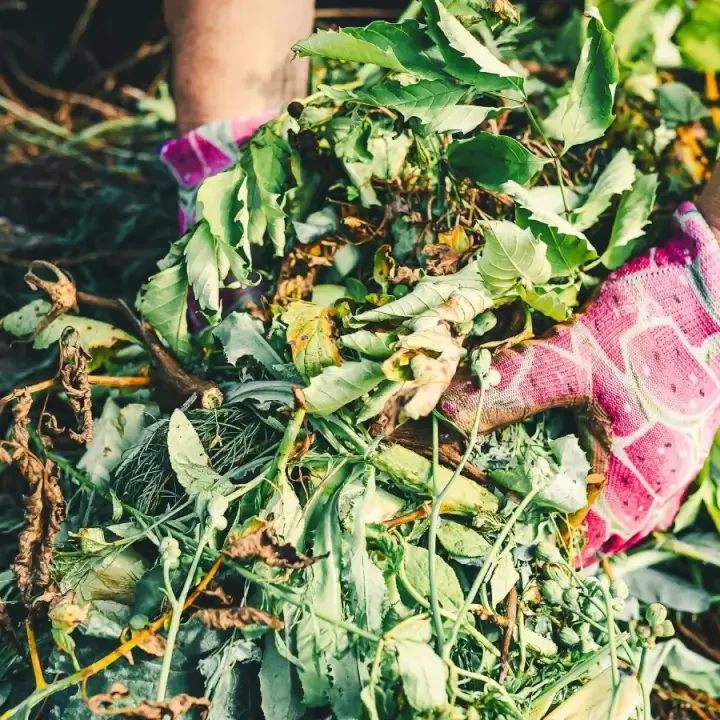
Feedstock Input (At Source)
The system accepts a wide range of organic residues, including:
- Slurry and manure
- Municipal food and green waste
- Commercial organic waste
- Agricultural organic by-products
- Selected agri-food organic waste streams
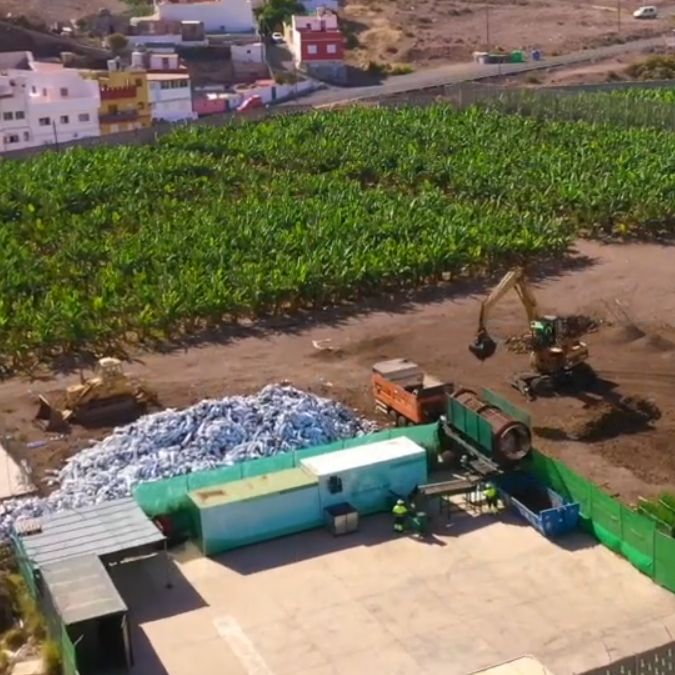
Material is processed where it is generated — on farms, cooperatives, AD sites or agri-industrial facilities.
Key point:
There is no long-term storage, no lagoon dependency and no waiting period.
This alone prevents:
- Methane formation
- Ammonia volatilisation
- Odour generation
- Leachate risk
Continuous Biocatalytic Transformation
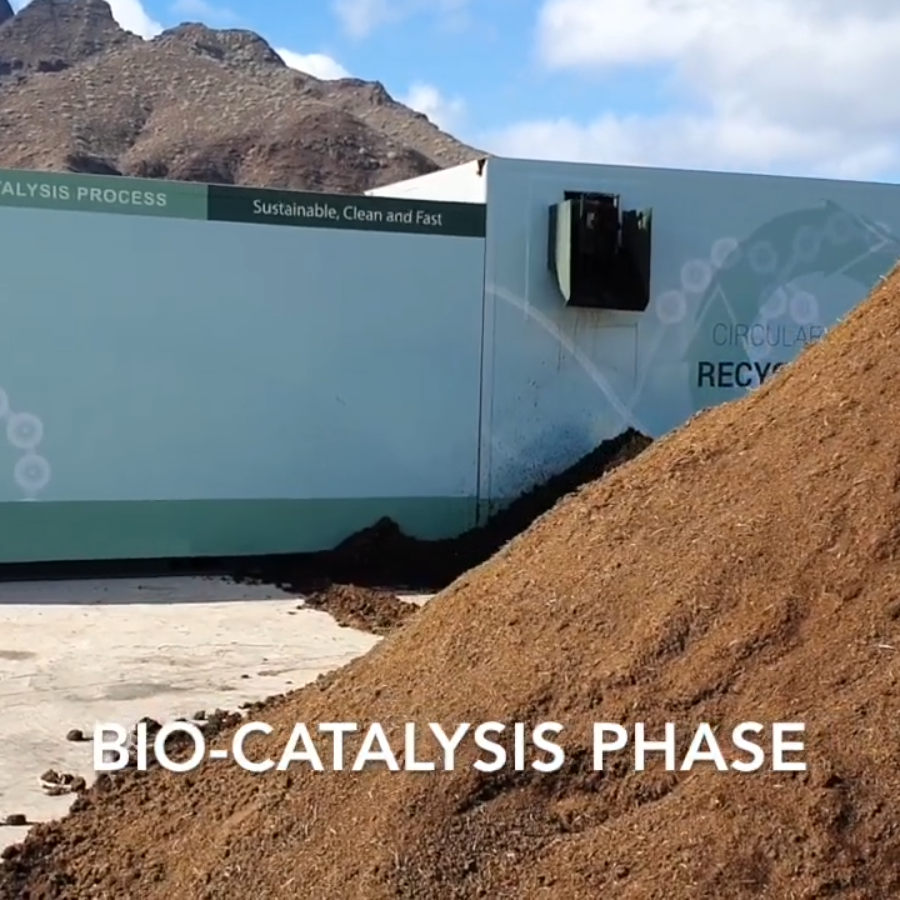
At the core of the ecosystem is a proprietary biocatalytic process operating in continuous flow, not in batches.
Inside the biocatalytic chamber:
- Organic matter is broken down at the Molecular level
- Stabilisation occurs instantly
- Pathogens, antibiotics and harmful microorganisms are neutralised
- Nutrients and organic compounds are preserved
What this means in practice:
- Processing takes minutes, not weeks or months
- There is no fermentation phase
- No accumulation of unstable material
This is why the system produces zero methane (CH₄), zero ammonia (NH₃) and zero leachate.
Instant Production of Class-A Fertiliser
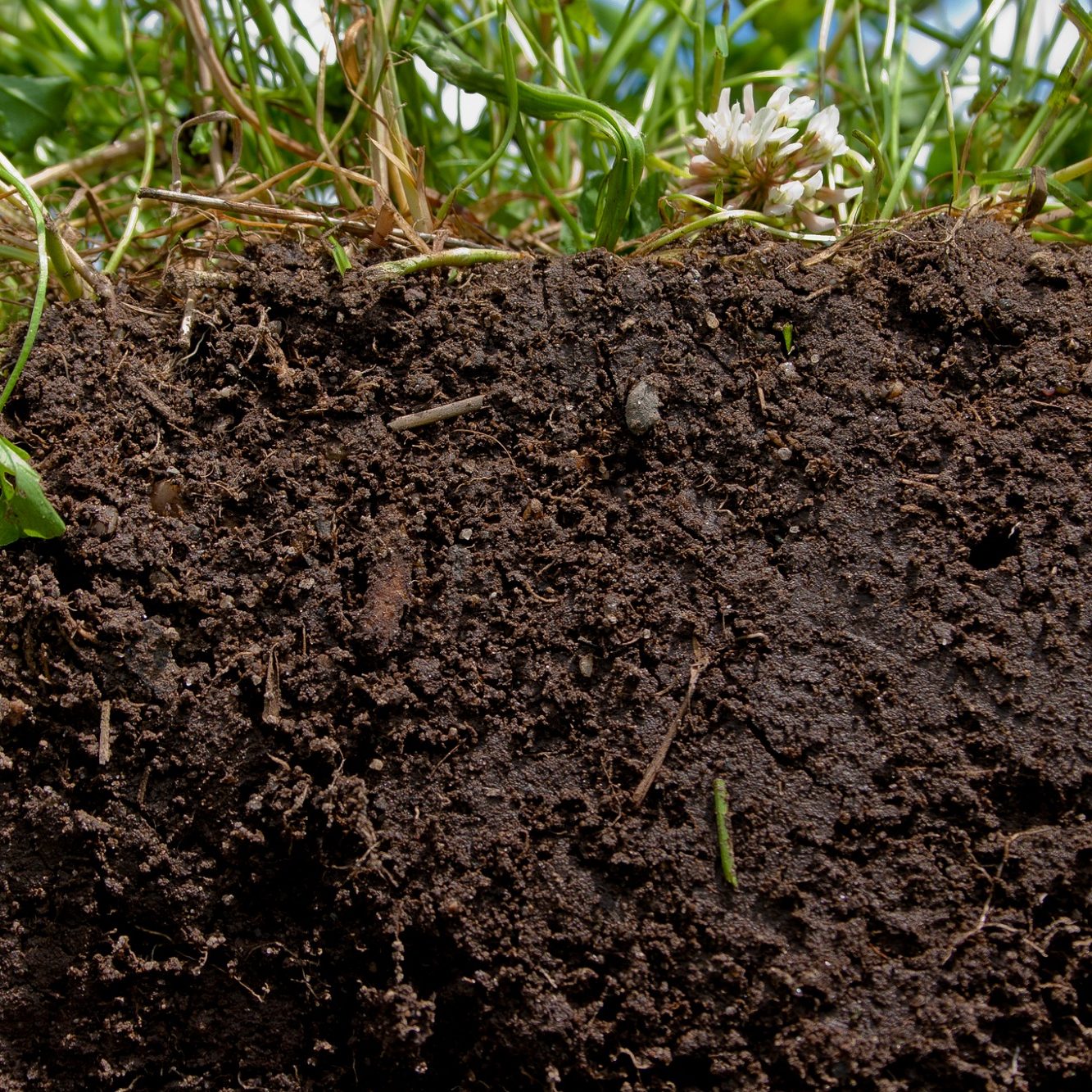
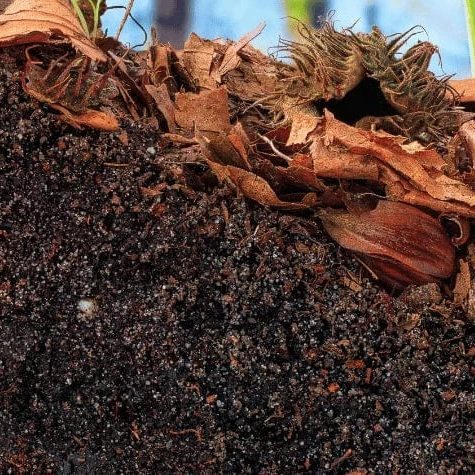
The output is a Class-A, pathogen-free fertiliser, ready for immediate use.
Key characteristics:
- Fully stabilised
- Homogeneous and consistent
- Rich in beneficial microbiota
- Contains humic and fulvic compounds
- Safe for direct soil application
There is no curing, composting or secondary treatment required.
Unlike digestate or raw compost, the fertiliser does not degrade further, emit gases, or create sanitary risks.
True 1:1 Circular Conversion
Each ecosystem module operates with full mass balance:
1 tonne of organic residues → 1 tonne of regenerative fertiliser
There are:
- No residual waste streams
- No liquid fraction requiring disposal
- No off-site processing
Everything entering the system is transformed and reintegrated into productive use.
This is what makes the system genuinely circular, not partially circular.
Intensive Crop Growing Modules (Closing the Biological Loop)
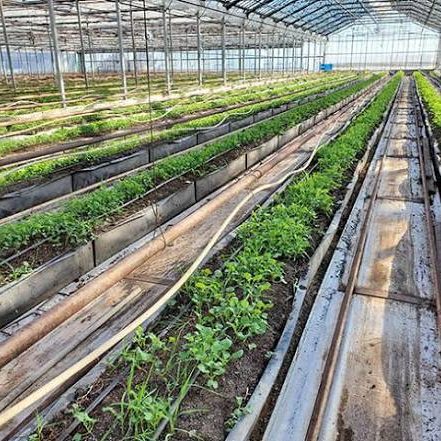
Where appropriate, the ecosystem can be extended with regenerative crop modules.
In these modules:
- The regenerated fertiliser itself becomes the growing medium
- Crops are grown with up to 70% less water
- No synthetic fertilisers
- No pesticides
This creates full traceability from:
waste → fertiliser → soil → food
Each site becomes a local cell of food sovereignty, demonstrating regeneration in visible, productive terms.
Proven, Operational, Industrial-Scale
This is not a pilot or laboratory concept.
- Technology Readiness Level: TRL 9
- Fully operational ecosystem in Europe
- Institutionally validated
- Continuous industrial operation
ReSoil’s role is to deploy this already-proven system in the UK, aligned with national regulations, planning frameworks and environmental objectives.